Laptop memory has been getting expensive for months, and the rest of the machine follows it. Brands are using Big Billion Days and the Amazon Great Indian Festival to push stock they already built. If you were going to buy a laptop this year, this week is the window. It is not a reason to grab the first red sticker.
Flipkart's public Big Billion Days sale opens on 9 October 2026, with early access the day before. Amazon's Great Indian Festival sits on the same week. I opened the Amazon listings below on 4 October 2026 and wrote down the figure next to each one. That figure is a sticker, not your checkout total. A bank or card offer can move it by a few thousand rupees, and the next stock refresh can move it back. Open the link, read the offers that apply to your card, and pay the number on the last screen.
A machine you can actually use for college or office work starts around ₹40,000. Under that, you are usually looking at a Celeron, a dull TN panel, or 8GB that cannot be touched later. The shortlist here stays above that line on purpose. Older chips are included where the brand has cut the price enough to make them sensible. A new badge on a bad price is not a deal.
Two checks save more money than any ranking.
- If the percent-off looks small, look at the card offers before you leave. On a lot of these laptops the bank discount is the deal. MRP theatre is not.
- Read the processor name one word at a time. Intel Core 3 is not Intel Core Ultra. A Snapdragon X is not a safe buy until your apps are known to run on it. Microsoft has been dropping the Copilot+ PC branding, and that is fine. The NPU is either useful to you or it is a line on a box.
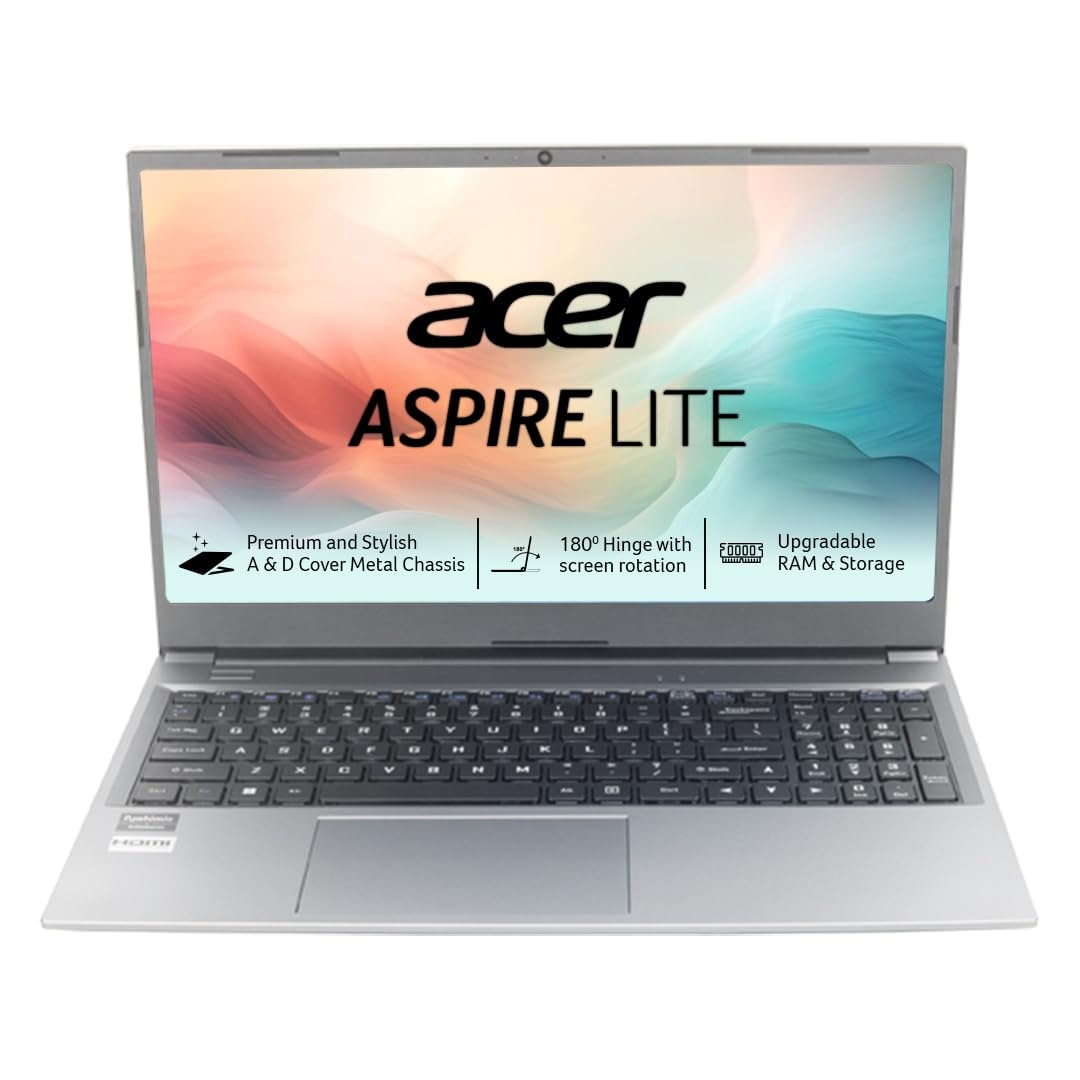
The opening pick in the sale roundup was an Acer Aspire 15 on a Ryzen 3 7330U, quoted near ₹43,990 and hoped to land around ₹40,000, with 8GB, a small SSD, and Office. The Aspire that was actually priced in the low ₹40,000s when I checked, with a 512GB SSD rather than 256GB, is the Aspire Lite AL15-41. The chip on this listing is a Ryzen 3 5400U. Basic work, a bigger drive, and a path to more RAM later. That is the brief.
Amazon listing
Listing price on 4 October 2026
Check this price on AmazonOn the listing
- AMD Ryzen 3 5400U, AMD Radeon graphics
- 8GB RAM, 512GB SSD
- 15.6-inch Full HD, 1.59 kg
- Windows 11 Home
This is the honest floor. Acer's own poster on the listing says the RAM and storage can be upgraded, which is the one future-proofing trick that still matters while memory prices are ugly. Eight gigabytes will run a browser, Office, and classes. It will not enjoy thirty Chrome tabs plus a video call. The build is the compromise you are accepting at this money: fine for a bag, not something you show off. If the page has drifted away from the low ₹40,000s by the time you open it, keep looking. The 512GB SSD is the reason this one beat the cheaper 256GB Aspires.
He also had a thin 14-inch Acer in this budget, sold as something you could take from 8GB toward 32GB, on an older Ryzen 3, with a 256GB SSD, an IPS panel, and a weight around 1.4 kg. The 14-inch Acer search actually returned was a Smartchoice Aspire One on a Ryzen 3 7320U, 8GB of LPDDR5, 256GB, and a TN panel, around ₹38,990. LPDDR5 in that class is soldered. A TN panel is not the IPS screen he described. I am not putting a buy button on it. If the listing you open cannot take a RAM stick, it is a different laptop from the one in the video.
Aspire One 14-inch on Amazon, so you can see the panel and the memory type yourselfAmazon
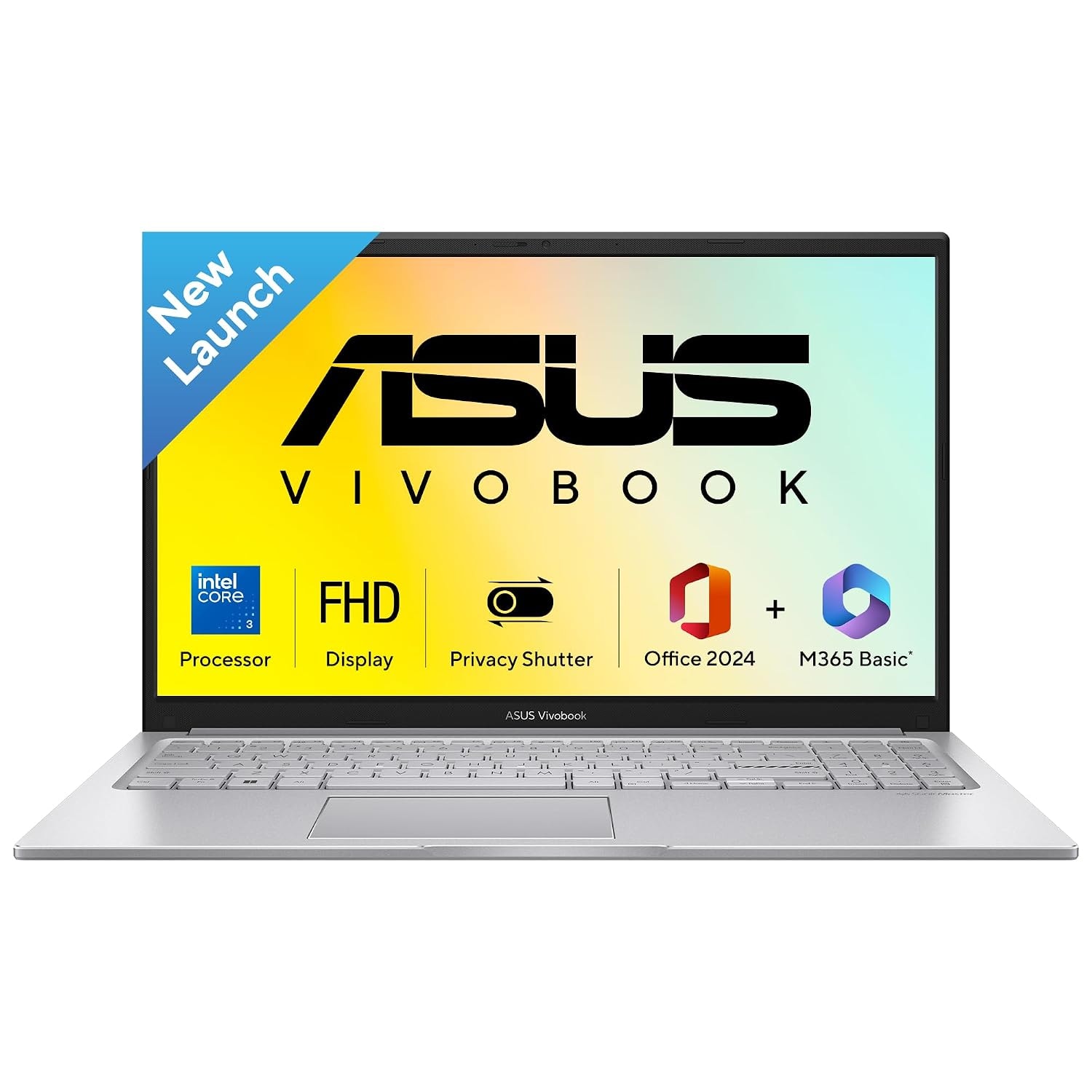
This is the easiest mistake on the page. Intel Core 3 100U is a current office chip. It is not a Core Ultra, and calling it an i3 Ultra will make you overpay for a feature that is not there. No serious NPU, no Copilot-era AI features worth chasing. In return you get a normal 15.6-inch laptop with a 512GB SSD and a price that still has some shame left in it.
Amazon listing
Listing price on 4 October 2026
Check this price on AmazonOn the listing
- Intel Core 3 100U, Intel integrated graphics
- 8GB RAM, 512GB SSD
- 15.6-inch Full HD
- Windows 11, Office 2024
Read the badge slowly. It says Core 3. It does not say Core Ultra, and it is not an old Core i3 with a fresh coat of paint either. Intel's Core 3 100U is a six-core chip (performance cores plus efficiency cores) aimed at ordinary office work. It is enough for documents, meetings, and a film. It is the wrong machine if you wanted an NPU and the AI features that come with one. Eight gigabytes is the tight part. The person who filmed the sale shortlist wanted an ASUS ExpertBook P1 on this same chip, mostly for a tougher chassis and a year of accidental cover, at a sticker near ₹56,000. I could not get a priced ExpertBook page to stay open on Amazon the afternoon I checked, so the button below is the Vivobook 15 that actually carries the Core 3 100U, 8GB and a 512GB SSD. Same lesson, different lid. If an ExpertBook P1 on this chip lands near ₹50,000 after your card offer, that is the one he was pointing at.
Once you want 16GB without playing the upgrade lottery, the price jumps into the ₹70,000s. These two are the sensible ones I could price. Neither is a gaming laptop.
Amazon listing
Listing price on 4 October 2026
Check this price on AmazonOn the listing
- Intel Core i5-13420H, 8 cores, up to 4.6 GHz
- 16GB DDR4, 512GB SSD
- 15.6-inch Full HD, about 1.65 kg
- Windows 11, Office 2024
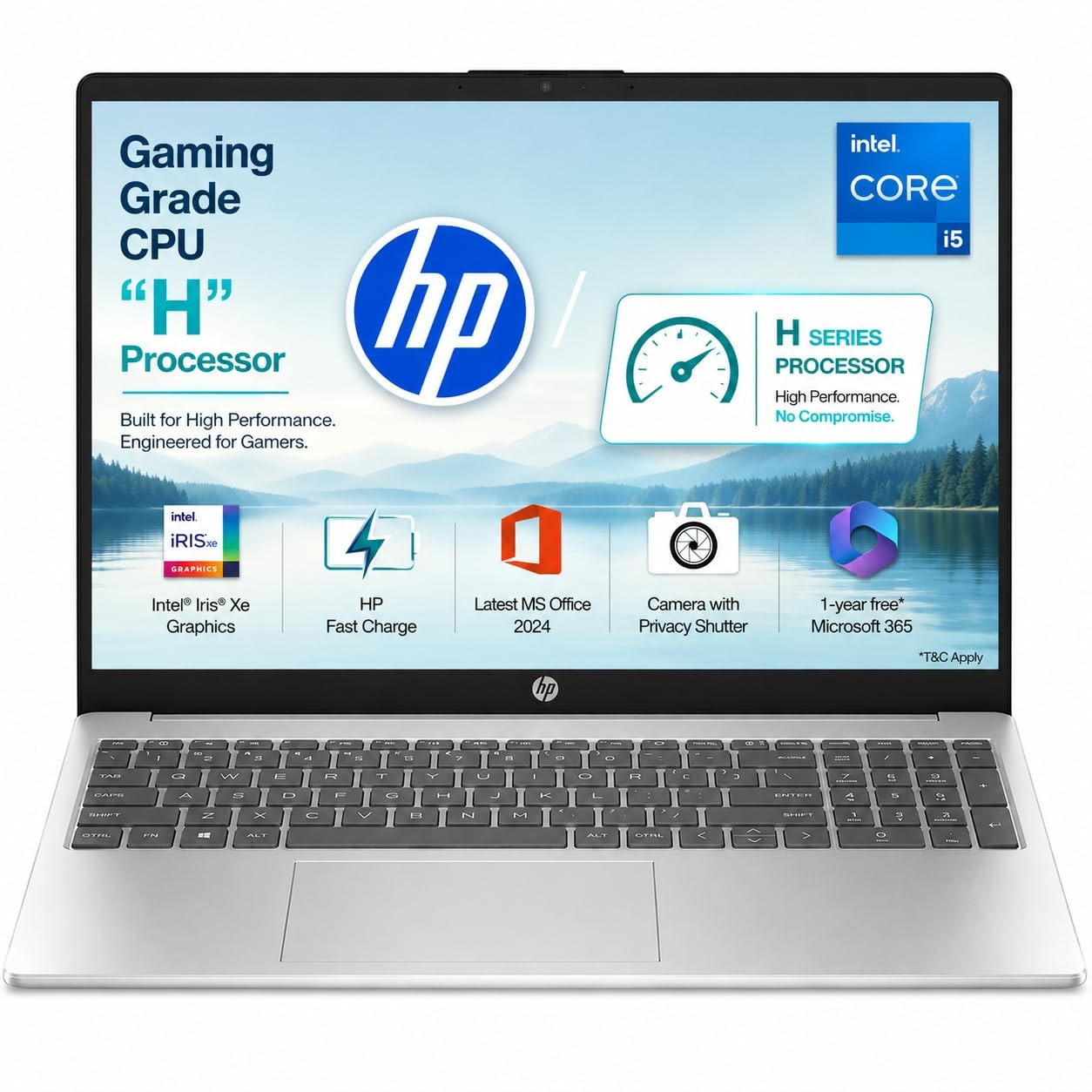
The number people mishear on this chip is 13420H. It is an H-series processor, so the CPU itself is a step up from the U-series i5s in lighter office laptops. HP's own poster leans on that. What the poster does not give you is a GeForce. Graphics stay Intel's integrated part, so this is a fast everyday laptop, not a gaming laptop. Sixteen gigabytes of DDR4 and a 512GB SSD are why it sits above the Aspire Lite, and Office is already on it. He was hoping the sale would drag a ₹67,990 sticker toward ₹62,000. The figure beside this exact FR0045TU on 4 October was ₹71,990. Still a fair 16GB machine if your card knocks a few thousand off. Walk away if it climbs back toward ₹80,000 with no offer.
Amazon listing
Listing price on 4 October 2026
Check this price on AmazonOn the listing
- Intel Core i5-1335U, Intel Iris Xe
- 16GB LPDDR4X, 512GB SSD
- 15.6-inch Full HD
- Windows 11, Office, fingerprint reader, LAN port
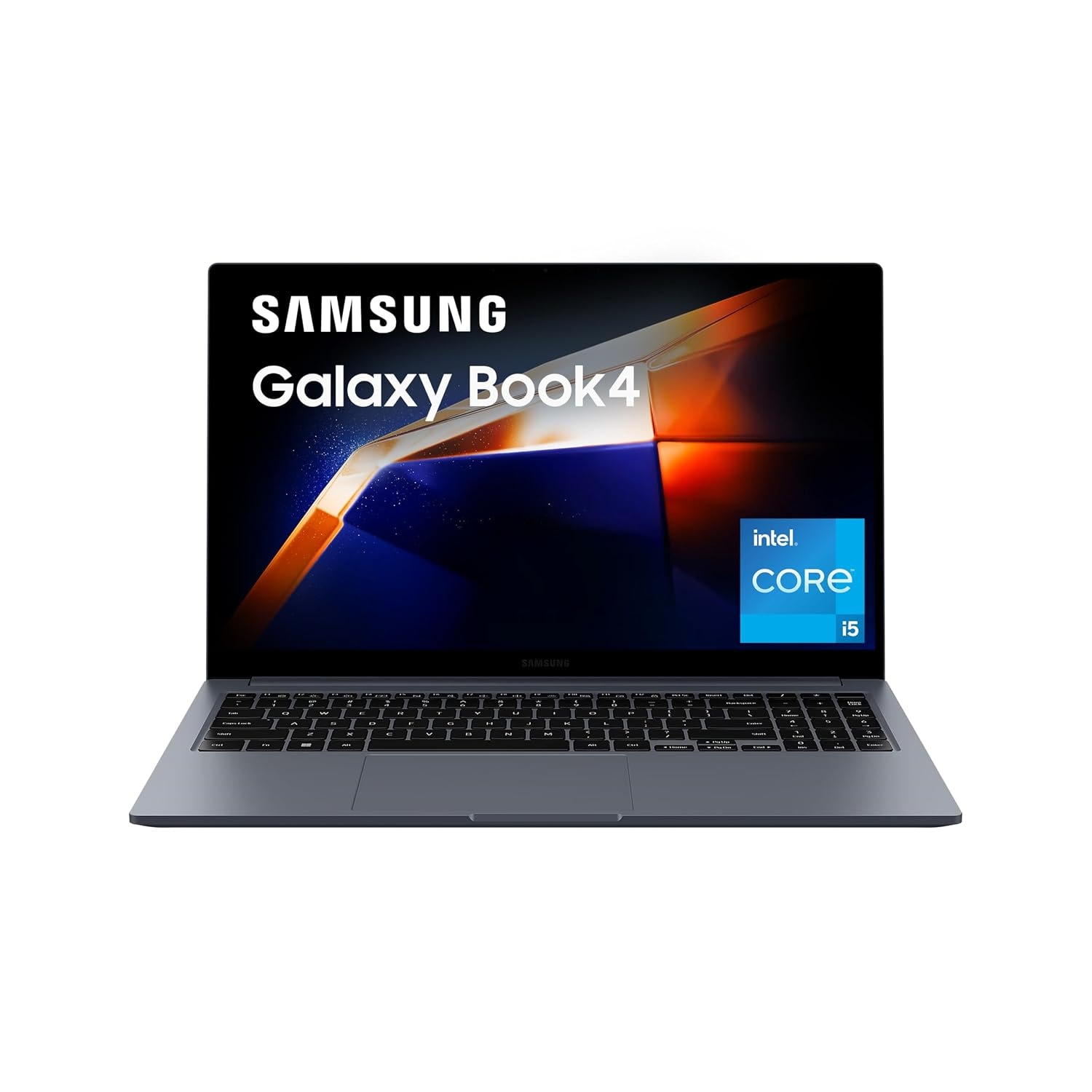
This is a 13th-generation i5, and it is fair to call that an older chip in late 2026. Samsung still put 16GB and a 512GB SSD in a metal-feeling 15.6-inch chassis, with a fingerprint reader and, unusually, an RJ45 port. The memory is LPDDR4X, so do not plan on adding RAM later. He had this one in his head near ₹80,000. The gray 16GB / 512GB listing was ₹69,990 on 4 October, which is a better number than the video expected. You are paying for the chassis and the screen, not for a new processor. If you want the newer CPU, the HP 15 above is the closer comparison, and it costs about the same today.
The sale video spent a long time on an ASUS OLED with a Snapdragon X, because the battery life and the metal body are genuinely nice, and then he did the responsible thing. He told you not to buy it if your software is not happy on Snapdragon. I am repeating that, because a smooth spec list will talk you into a laptop that cannot install the one program your course requires.
Amazon listing
Listing price on 4 October 2026
Check this price on AmazonOn the listing
- Snapdragon X (X1-26-100), Qualcomm Adreno, NPU up to 45 TOPS
- 16GB RAM, 512GB SSD
- 16-inch Full HD+, 1.88 kg
- Windows 11, Office 2024
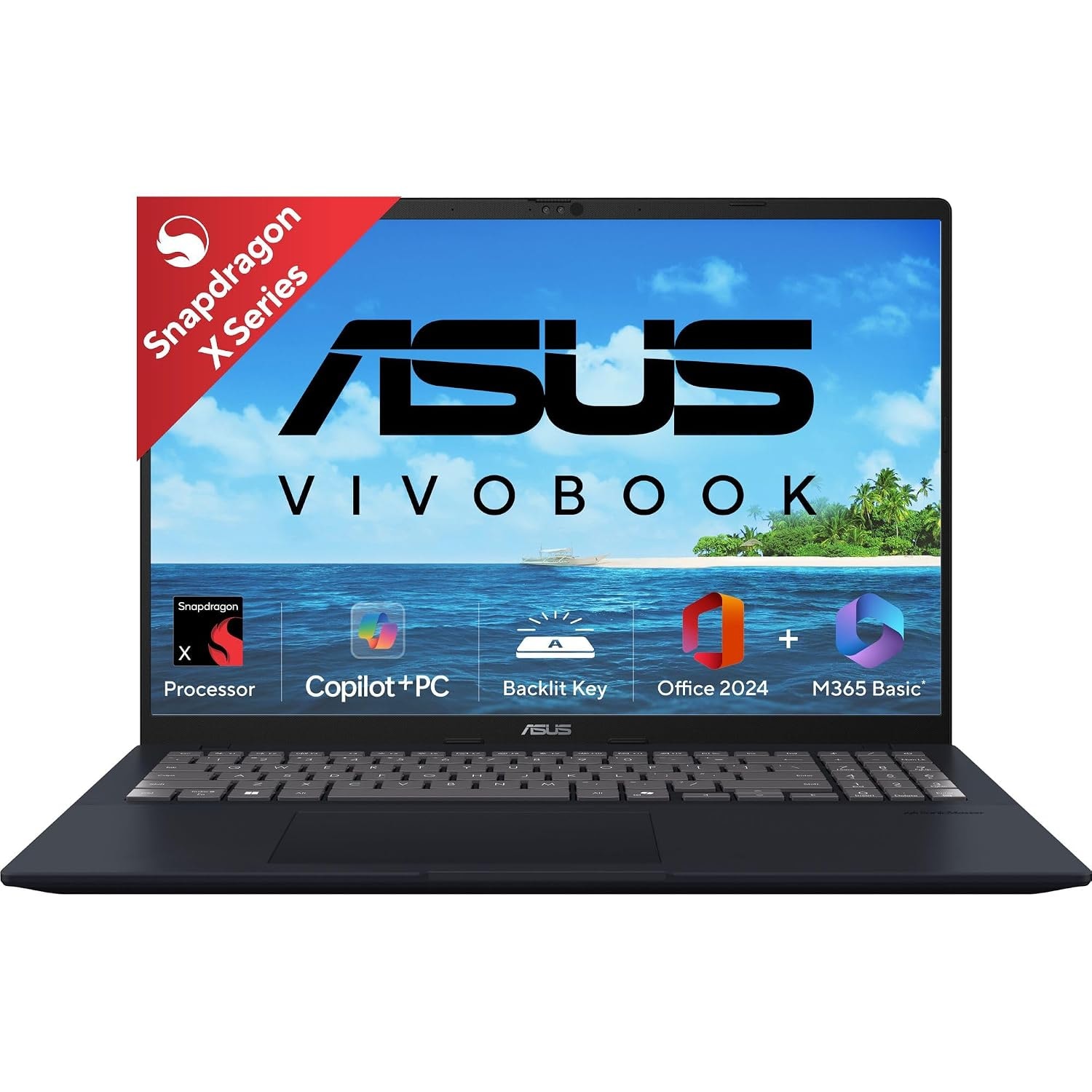
Buy this only after you have named the software you actually use. A Snapdragon X laptop runs Windows, and a lot of common apps are fine. Some are not. Adobe suites, a few engineering tools, older printer drivers, and the odd college lab program still have a bad day on ARM. If any of that is on your list, stay on Intel or AMD and keep your money. If your work is a browser, Office, Teams, and video, this is a strong deal: 16GB, a 512GB SSD, a 16-inch Full HD+ panel, and an NPU rated up to 45 TOPS, for ₹68,990. He was talking about a Vivobook S16 OLED at ₹72,990. The OLED S16 models that came up in search were a different class of money, north of ₹1.2 lakh. This one is the Snapdragon Vivobook 16 you can actually open near ₹70,000, and the panel is Full HD+, not OLED. Microsoft has been retiring the Copilot+ PC label. The NPU is still in the machine. You do not need the badge. You need your apps to run.
The other AI Vivobook in that video was a 16-inch Ryzen machine, quoted near ₹72,990, with 16GB of DDR5, a 512GB SSD, a Full HD+ IPS panel, and an NPU around 50 TOPS. A Vivobook 16 with the Ryzen AI 5 340 did not stay open as a live listing. The sibling that did show a price was the Ryzen AI 5 330 model, near ₹80,990. That is the one to reopen if you want AMD and an NPU instead of Snapdragon. Confirm the TOPS number on the spec table. Do not pay the old ₹72,990 in your head.
ASUS Vivobook 16 with Ryzen AI 5 330 on AmazonAmazon
Past ₹80,000 the conversation shifts to Apple. The new cheap Mac is the MacBook Neo, on an A18 Pro, not an M-series Air. Launch pricing started lower and then moved up with everyone else's memory costs. The video's advice was to prefer an older MacBook Air M3 if a real discount was still around, and to look at the Neo only if the offer on it was honestly good.
Amazon listing
Listing price on 4 October 2026
Check this price on AmazonOn the listing
- Apple A18 Pro, Apple graphics
- 8GB unified memory, 256GB SSD
- 13-inch Liquid Retina
- macOS, FaceTime HD camera
The Citrus 256GB Neo was ₹77,990 against an MRP of ₹79,900. That is the entry Mac, and the entry is the problem: 8GB of unified memory, soldered, and 256GB of storage. It will feel quick for mail, browsing, notes, and iPhone photos, because Apple's chips are good at that. It will feel small the day you keep a few large files or too many Safari tabs. He would still rather you find a leftover MacBook Air with an M3, especially if someone is discounting a 16GB one. I searched Air M3 on Amazon the same afternoon and the Airs that came back were M5 models at a much higher price, so I am not linking an M3 I could not see. If a 16GB M3 Air shows up near this Neo's price, take the Air. If it does not, the Neo is the way into macOS, and you should go in knowing the memory cannot be fixed later. Card offers on Apple are often the only real discount. Check the offers row for your bank before you decide the sticker is the price.
He had an Acer Swift Go 14 here as well. Core Ultra 5 125H, Arc graphics, 16GB, 512GB, 14 inches, about 1.25 to 1.3 kg, and he liked it around ₹72,000. The OLED Swift Go 14 I could open, model SFG14-73, was listed at ₹99,990. I am not recommending a ₹72,000 laptop at ₹99,990. The link is there so you can see if your card changes the story. At a sticker near ₹90,000, the HP 14 is the one I would actually ship.
Acer Swift Go 14 OLED, Core Ultra 5 125H, on AmazonAmazon
Amazon listing
Listing price on 4 October 2026
Check this price on AmazonOn the listing
- Intel Core Ultra 7 155H, 16 cores, Intel Arc graphics
- 16GB DDR5, 512GB SSD
- 14-inch Full HD, 1.4 kg
- Windows 11, Office 2024
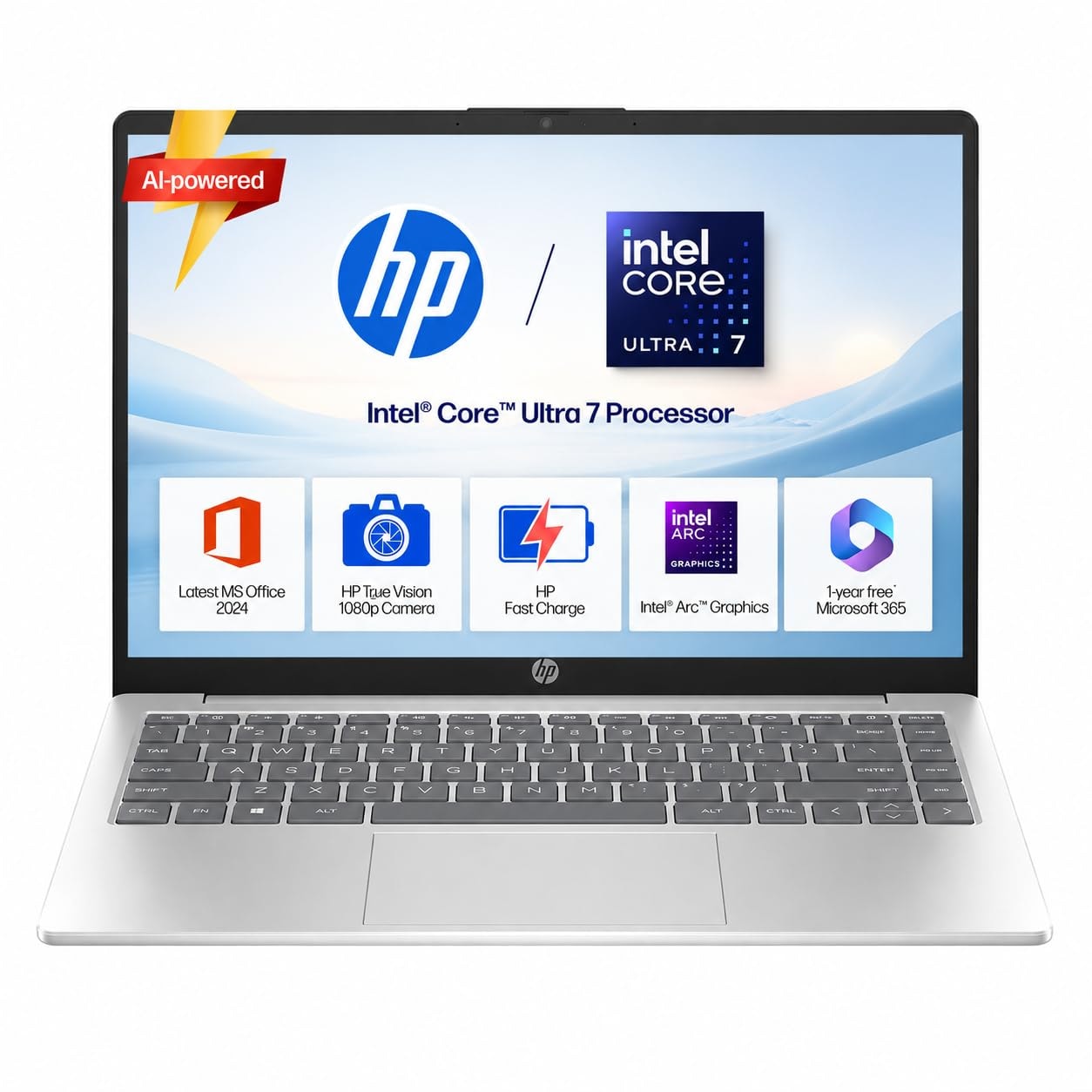
This is the AI-leaning HP he put near ₹1 lakh, hoping offers would land it around ₹86,000 or ₹87,000. On 4 October the EP1151TU was already ₹88,950, so you are not waiting on a miracle coupon to make the sticker sane. The 155H is a 16-core Ultra 7 with Arc graphics. That Arc chip will play lighter games and move a timeline along. It is not a substitute for an RTX 4050, which is why the gaming picks are further down. Fourteen inches and 1.4 kg is the portable part. Sixteen gigabytes of DDR5 is enough to stop the machine feeling cheap. There is a thinner Acer in this conversation, the Swift Go 14 with a Core Ultra 5 125H, but the OLED listing I opened was ₹99,990. At that number I would take this HP.
Motorola's Book 60 belongs in this stretch of the video too. The 14-inch 2.8K OLED, the metal body, and the praise for the build were the point. The chip name got mashed in the telling. The Book 60 people have been buying in India with 16GB and 512GB uses an Intel Core 5 210H. That is a Series 2 part. It is not a Core Ultra 5, even though the two names sit next to each other in Intel's catalogue. There is a separate, pricier Motobook with an Ultra 5 225H. I did not find the Core 5 Book 60 as an Amazon listing, and I am not sending you to a store where this site has no affiliate tag just to complete the set. If you see the OLED Book 60 near ₹70,000 on a store you trust, compare it with the Galaxy Book4 and the HP 14 for the screen, and ignore any headline that calls the 210H an Ultra.
Integrated graphics stop being the answer the moment the laptop is for games or for a timeline you care about. From here the machines get heavier, louder, and more honest about what they are.
Amazon listing
Listing price on 4 October 2026
Check this price on AmazonOn the listing
- AMD Ryzen 7 7445HS, GeForce RTX 3050 4GB
- 16GB DDR5, upgradeable, 512GB SSD
- 15.6-inch Full HD, 144 Hz, 2.3 kg
- Windows 11, Office 2024
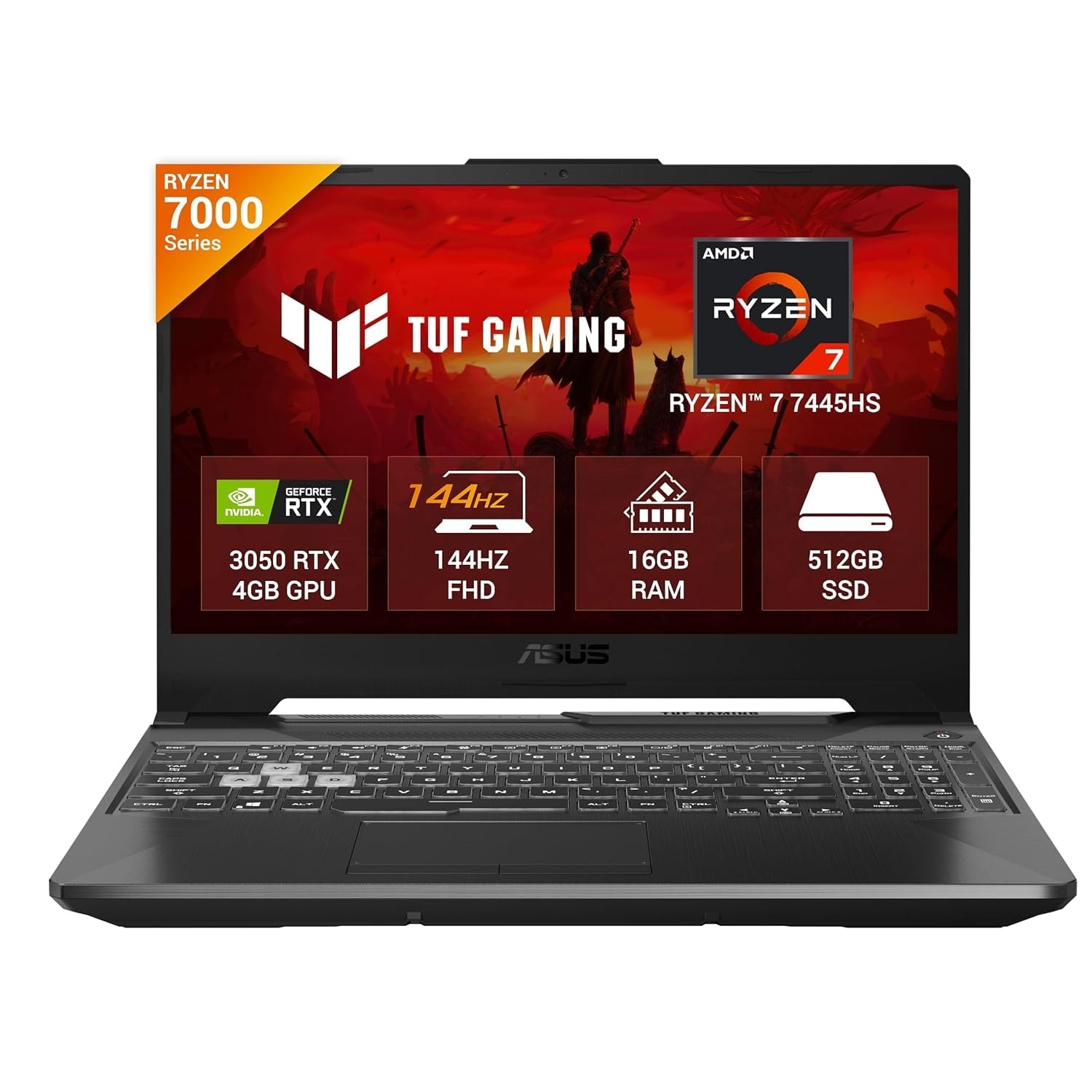
A year ago a TUF with a 3050 lived comfortably under ₹1 lakh. Then it didn't. This FA506NCG was back at ₹99,500 on 4 October, before any card offer, which is the version of the story worth paying attention to. Ryzen 7 7445HS, RTX 3050 with 4GB, 16GB of DDR5 that the listing says can go to 64GB, a 512GB SSD, and a 144 Hz Full HD panel. Weight is 2.3 kg. The 4GB of video memory is the limit you should believe. Esports, and older big games at medium settings, are the job. A new title that wants 8GB of VRAM will stutter no matter what the CPU is doing. If your card takes another ₹3,000 to ₹5,000 off, this is the gaming laptop under a lakh.
Amazon listing
Listing price on 4 October 2026
Check this price on AmazonOn the listing
- AMD Ryzen 7 7735HS, GeForce RTX 4050 6GB
- 16GB RAM, 512GB SSD
- 15.6-inch Full HD IPS, 144 Hz
- Windows 11, Office
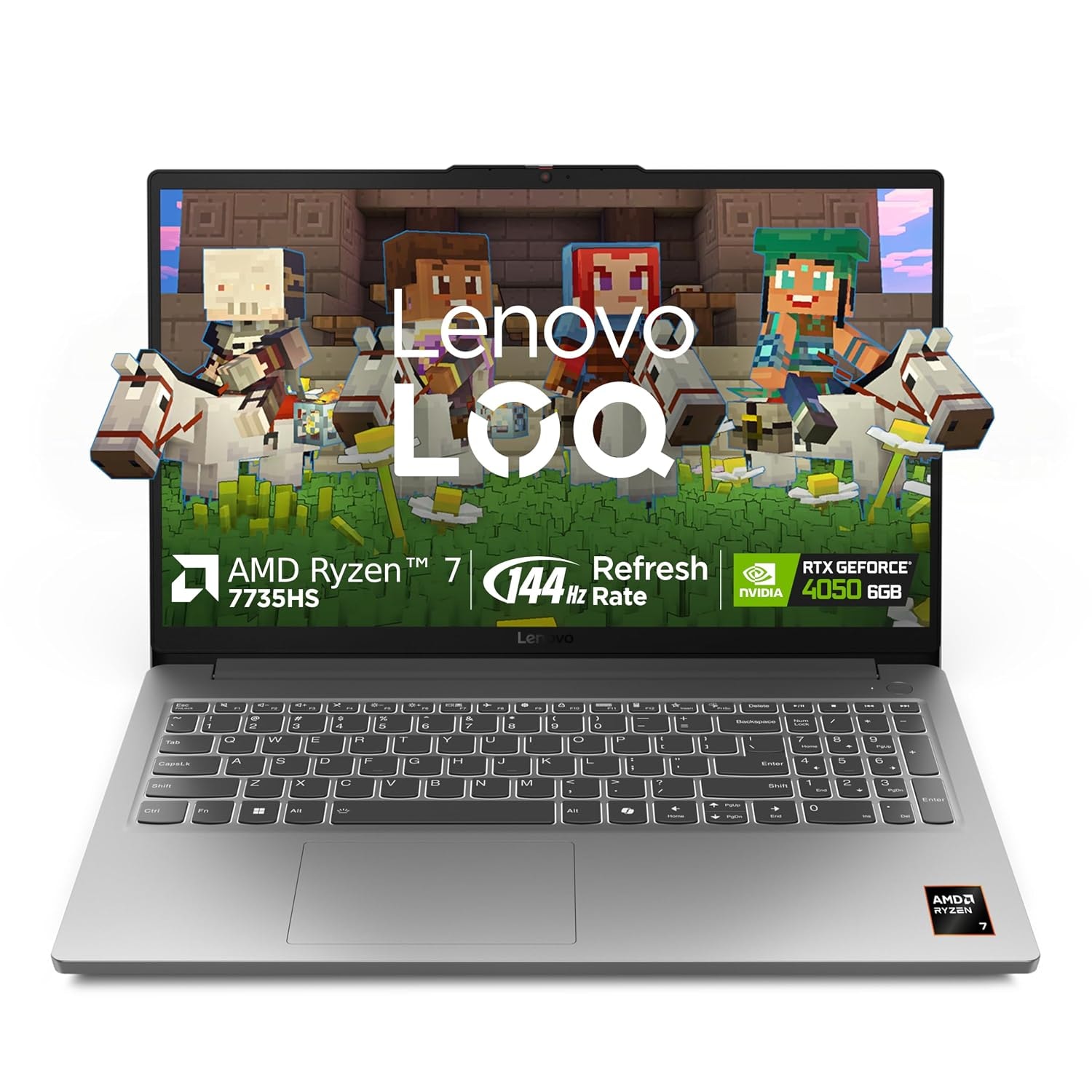
The LOQ Essential is the step up from the TUF, and the step is the graphics card. RTX 4050 with 6GB instead of a 3050 with 4GB, on a Ryzen 7 7735HS, with the same 16GB and 512GB and a 144 Hz panel. He remembered a chip name that did not quite land and a sticker that had jumped to about ₹1,32,000, with a hope that the sale would bring it back near ₹1,20,000. That is where this listing was: ₹1,19,390. If you edit video or you play games that punish 4GB cards, the extra ₹20,000 over the TUF is the money that changes the machine. If you only play Valorant, save it and buy the TUF.
Amazon listing
Listing price on 4 October 2026
Check this price on AmazonOn the listing
- AMD Ryzen 5 220, GeForce RTX 4050 6GB
- 16GB RAM, 512GB SSD
- 15.3-inch WUXGA, 300 nits
- Windows, Alienware chassis
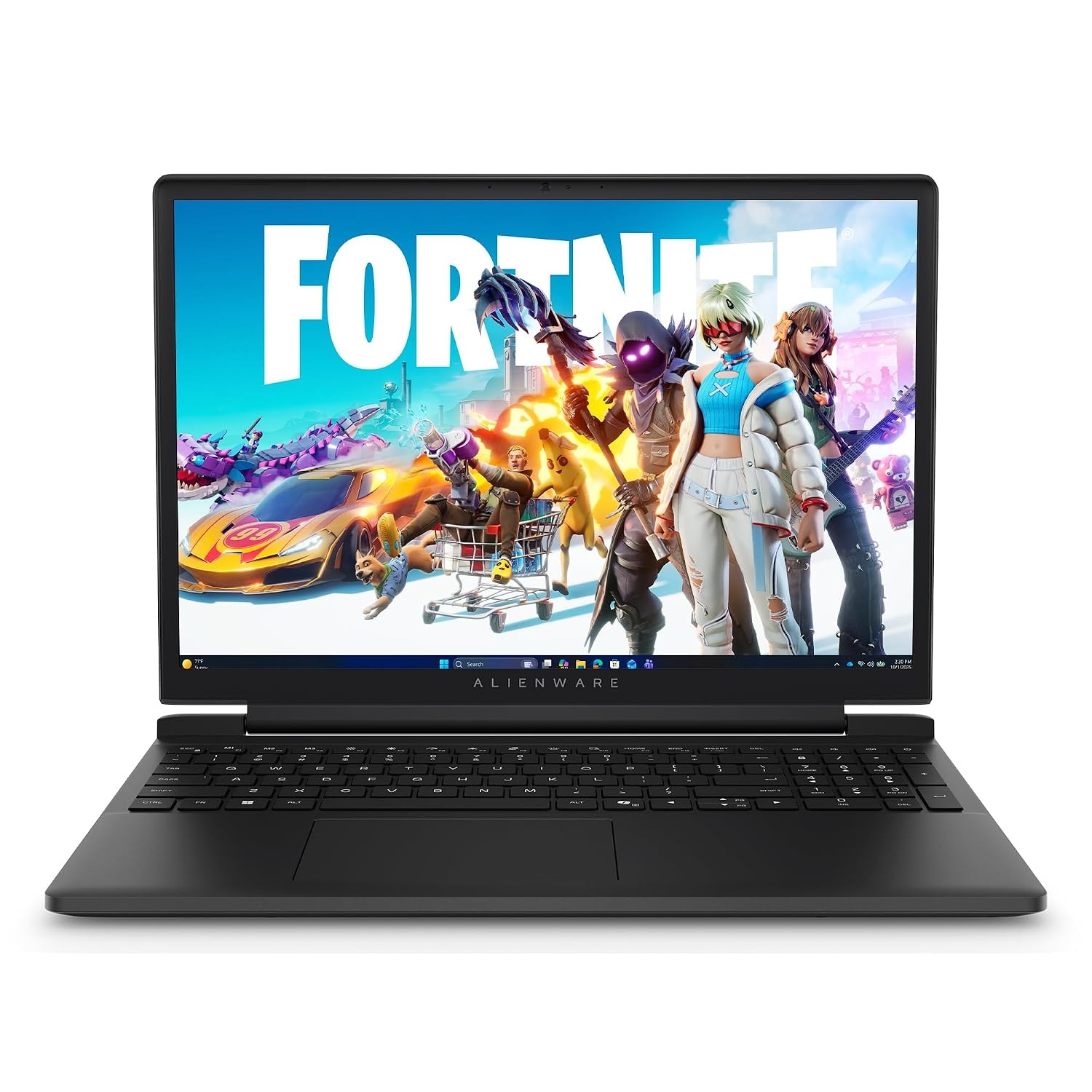
Alienware still sells the name, and the discounts on that name stay thin. The configuration Amazon was showing at ₹1,28,990 is a Ryzen 5 220 with an RTX 4050 6GB, 16GB, a 512GB SSD, and a 15.3-inch WUXGA panel rated at 300 nits. He had a Ryzen 7 in his notes and a price near ₹1,39,000. This is not that build. You get the 4050, which matches the LOQ, and a weaker CPU than the LOQ's Ryzen 7 7735HS. Unless you specifically want the Alienware chassis, the LOQ is the more sensible ₹1.2 lakh gaming buy. Memory prices have made these brands worse value than they used to be. A logo does not add frames.
- Notes, classes, and a tight budget: Aspire Lite AL15-41, as long as it is still near ₹43,000 and you can see a free RAM slot in the spec table.
- Office work, and you do not want to think about it: Vivobook 15 on the Core 3 100U if 8GB is truly enough, otherwise the HP 15 with 16GB.
- You live in a browser and Office, and you have checked your other apps: the Snapdragon Vivobook 16.
- You want a Mac and you have made peace with 8GB: the Neo. If a 16GB M3 Air appears for similar money, take the Air.
- Light creative work in a bag: HP 14 Ultra 7, not the Swift Go at ₹99,990.
- Games: TUF A15 if ₹1 lakh is the wall. LOQ Essential if you can cross it. Alienware only if you already wanted one and the Ryzen 5 does not bother you.
None of these prices are a promise. They are what the listing showed on 4 October 2026. The sale will twitch. Your card either has an offer or it does not. The laptop you take home is the one whose checkout total you read with your own eyes.